When it comes to emergency preparedness, many people have misconceptions about what a survival kit should contain. The idea of being prepared for unexpected situations can often lead to confusion and misinformation. This article aims to clarify the must-have items in every emergency preparedness kit, debunking common myths and providing you with the knowledge to create a comprehensive survival kit.
Myth: You Only Need Food and Water
Many believe that the primary focus of an emergency kit should be on food and water supplies. While these are undoubtedly critical components, they are not the only essentials you should consider. An effective survival kit must also include tools for shelter, first aid, and communication, as these elements can be just as vital in a crisis situation.
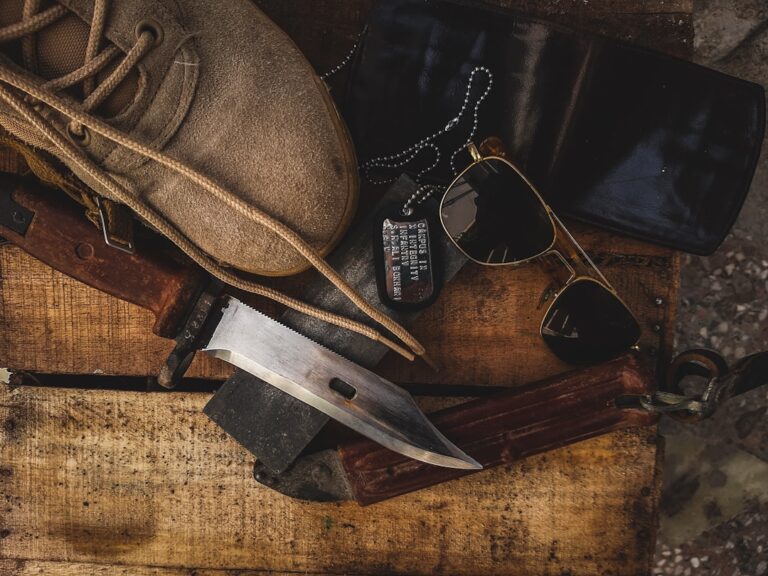
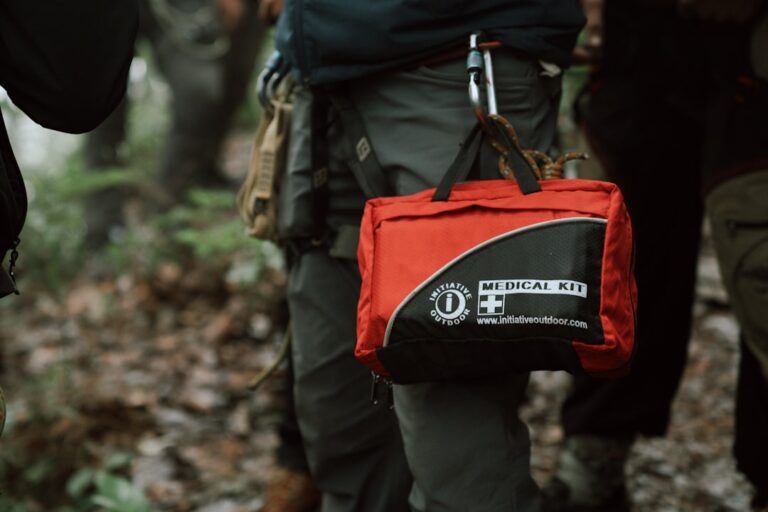
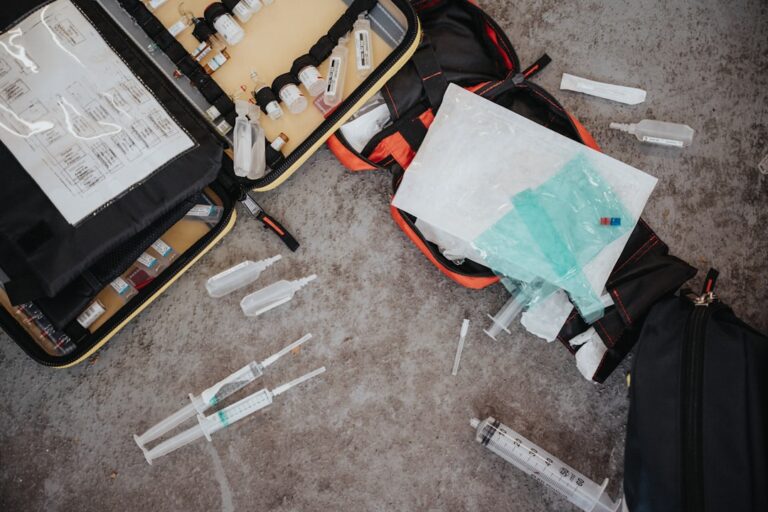
Truth: A well-rounded survival kit includes various items beyond food and water. For instance, a reliable multi-tool can assist in building shelter, while a first aid kit can address injuries that may occur during an emergency. Additionally, having a means of communication, such as a whistle or a battery-powered radio, can help you stay informed and signal for help if needed.
Myth: Survival Kits Are Only for Natural Disasters
Another common misconception is that survival kits are only necessary for natural disasters like hurricanes or earthquakes. While these events certainly warrant preparedness, emergencies can arise from various sources, including power outages, civil unrest, or even personal emergencies. Being prepared means being ready for any situation, not just the ones that are widely publicized.
Truth: Emergencies can occur at any time and in any form. A comprehensive survival kit should be versatile enough to address a range of scenarios. This means including items that can help you navigate different types of emergencies, such as flashlights for power outages or self-defense tools for personal safety. The goal is to ensure that you are equipped to handle whatever comes your way.
Myth: You Can Buy a One-Size-Fits-All Kit
Many people think that purchasing a pre-packaged survival kit is sufficient for their needs. While these kits can be convenient, they often lack personalization and may not cater to your specific circumstances or location. Relying solely on a generic kit can leave you unprepared for unique challenges you might face.
Truth: Customizing your survival kit is essential for effective preparedness. Consider your family size, dietary restrictions, and local hazards when assembling your kit. For example, if you live in an area prone to wildfires, including fire-resistant materials or a fire blanket may be wise. Tailoring your kit ensures that you have the right tools and supplies for your specific situation.
Myth: You Only Need to Prepare for Short-Term Emergencies
Some individuals believe that preparing for emergencies only requires short-term supplies, thinking that help will arrive quickly in any crisis. This mindset can lead to inadequate preparation for prolonged situations where access to resources may be limited. In reality, emergencies can last longer than anticipated, making it crucial to plan for extended periods without outside assistance.
Truth: Long-term preparedness is just as important as short-term supplies. Your survival kit should include items that can sustain you for days or even weeks. This includes non-perishable food items, water purification systems, and even seeds for growing food if necessary. By planning for the long haul, you increase your chances of survival in any emergency scenario.
Myth: Emergency Preparedness Is Expensive
Many people shy away from creating a survival kit due to the belief that it requires a significant financial investment. While some high-end survival gear can be costly, there are numerous affordable options available that can still provide essential protection and resources. The key is to prioritize your purchases and focus on the most critical items first.
Truth: Emergency preparedness can be budget-friendly. Start by assessing what you already have at home and gradually build your kit over time. Look for sales, discounts, and local resources that can help you acquire necessary items without breaking the bank. Remember, being prepared is about smart planning and resourcefulness, not just spending money.